An annual physical at a local internal medicine clinic can detect certain medical issues and maintain good health for people of any age. However, many general physicals may not include tests that can be important for preventing serious illness or death, such as high blood pressure and elevated cholesterol levels. Requesting these tests can be daunting, but knowing what to expect during the exams can help patients feel more at ease.
The importance of high blood pressure and cholesterol tests
Many people who suffer heart attacks and strokes due to heart disease are often shocked when the event happens because they were unaware of the condition of the heart’s arteries. While some heart disease can present with symptoms, many who are afflicted are unaware. Coronary heart disease is the most common type of issue, according to The Centers for Disease Control and Prevention, and can cause serious health problems:
- Heart attack
- Unstable angina
- Heart failure
Early detection can prevent these problems, and knowing what types of tests are used during high blood pressure and cholesterol exams may help ease patients’ minds when they get an internal medicine wellness exam.
Lipid profile
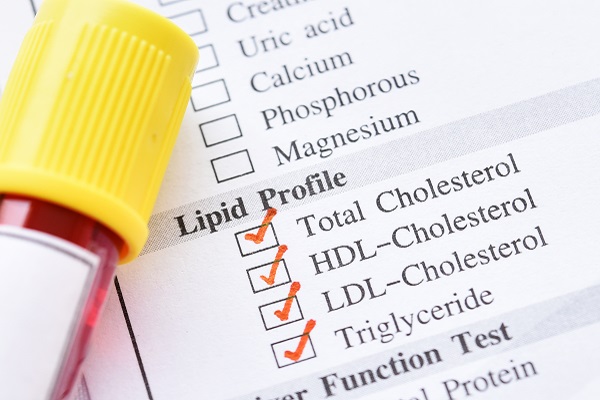
While reading blood pressure can be a common procedure during a basic physical exam, more in-depth tests, such as a lipid profile, may be performed on at-risk patients. This test measures different types of cholesterol in the body. There are two main types of lipids: low-density lipoprotein and high-density lipoprotein, commonly referred to as LDL and HDL. Heart physicians generally test both levels. If the LDL levels are high, this could increase the risk of heart attack and stroke.
Echocardiogram
This type of test allows a heart doctor to view the heart as it beats. During the exam, a gel may be placed on the skin over the heart to better conduct the results to the monitor. Unlike an electrocardiogram, the attending physician can view the heart as it beats and look for problems such as blood clots and abnormalities in the heart’s walls and valves. This is a noninvasive test that can detect heart disease in both men and women.
Blood sugar test
High blood sugar is typically related to type 2 diabetes. Since this disease can cause serious damage to the heart if it goes undetected or untreated, it may be one of the tests requested during a yearly heart exam. Normal blood sugar levels typically read 140 or below several hours after a meal and around 120 at bedtime, so numbers over 200 may be cause for further testing. Diet, exercise and medication can all keep type 2 diabetes under control and protect the heart from becoming damaged.
Exercise stress test
During this exam, patients are hooked to an electrocardiogram machine and walk on a treadmill to increase heart rate. This allows a heart doctor to monitor how the heart works during exercise and other times when the heart rate may increase, and whether there are any abnormalities in the heart’s rhythm.
Conclusion
High blood pressure and high cholesterol levels can cause severe damage to the heart and cause fatal events, such as heart attacks. Regular heart checkups at an internal medicine clinic and maintaining a healthy lifestyle may prevent these problems and increase life expectancy.
Request an appointment here: https://millenniummedicalcare.com or call Millennium Medical Care at (703) 372-4429 for an appointment in our Fairfax office.
Check out what others are saying about our services on Yelp: Internal Medicine in Fairfax, VA.
Recent Posts
Curing a common cold is always at the top of the list of every healthcare professional. But until now, there is still no universal cure for this type of upper respiratory tract infection. Urgent care facilities focus on treating each symptom. If you want to know more about the common cold and its fever reducers,…
The common cold is an upper respiratory infection. It is a contagious illness you can get if you are not careful. Being extra careful is important. Knowing how it spreads can help you avoid contracting it. If you want to know how the common cold spreads, here are the details.The common cold virus is spread…
The rhinovirus causes the common cold. It is a pathogen capable of making you miserable and forcing you to stay home for days. Understanding its symptoms can tell you to go to the urgent care facility early. If you want to know the common cold symptoms, here are the details.An individual sneezes when there is…
A person with a common cold can also have a sore throat and mild body pain. These symptoms can prevent you from doing your daily tasks. However, taking pain relievers can help relieve the discomfort. If you want to know more about the pain reliever you can take for your common cold, here are the…