The Importance and Benefits of Immunizations
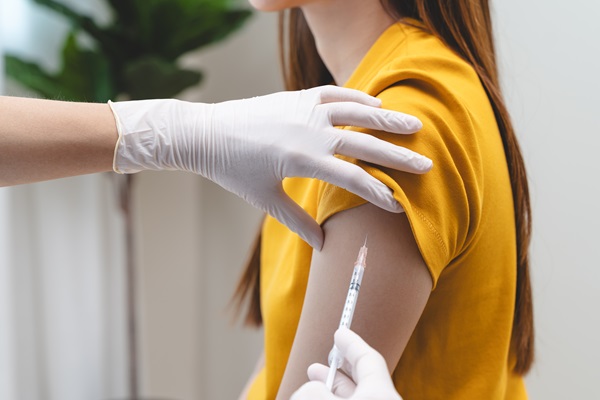
Immunizations, also known as vaccines, are injections that can prevent serious illness and improve individual health. Immunizations and vaccinations have helped prevent diseases that once spread rapidly through communities and killed infants and young children. Children who have had vaccinations against these contagious illnesses show improved health and wellness over time. Their enhanced immunity also benefits the health of other community members who did not receive vaccinations.
The importance of immunization and its benefits
When nearly all people get vaccinated, it prevents illness from spreading to those who are not vaccinated. Getting immunized and vaccinated is crucial for community health. The following are reasons why immunization is important.
Immunization is life-saving
Vaccinations help prevent severe diseases which can result in serious health issues or death. According to the Centers for Disease Control, Hib (Haemophilus influenza type B) can cause brain damage or death, polio causes paralysis and HPV causes cancers. Some illnesses such as measles and tetanus are incurable or untreatable. The only defense against these illnesses is a vaccine.
Vaccine-preventable illnesses still exist
Vaccinations have cut down vaccine-preventable ailments all over the world. However, the viruses and bacteria that cause these illnesses persist. Such illnesses may resurface if vaccination rates drop. Such incidents have occurred in certain countries, leading to deaths and hospitalizations.
Diseases like measles and polio, which can be uncommon in the U.S., stay common anywhere else in the world and also might contracted and brought in by somebody who traveled abroad. If individuals fail to receive vaccines, these health issues can transmit to others rapidly and lead to outbreaks.
To protect others
Getting vaccinated does not just protect the recipient, it also protects the entire community. The reason is that when more people in a community are vaccinated, an ailment will hardly spread between people. Community immunity or herd immunity is the protection a large proportion of individuals has against a particular disease.
Herd immunity is key to maintaining low disease prevalence and protecting vulnerable populations (infants, patients receiving specific health treatments, and patients with compromised immune systems).
Vaccines safety and effectiveness
Vaccines pose very little risk to individuals, and they must pass rigorous testing before approval. Even then, medical professionals continue to monitor its safety. Vaccinations are effective, because before they were available, many people died or got sick from polio, Hib, and diphtheria. The incidence of these illnesses has decreased in incidence because of vaccinations.
Prevention is better than treating the disease
An individual will develop immunity safely through vaccination. If the immunity comes as a result of contracting the illness, the patient might suffer severe illness, disability, or even death. In some cases, meningococcal infection can result in hearing issues, brain injury, and amputation, and chickenpox can cause pneumonia and an increased risk of serious group A streptococcal infections.
Reduced antibiotic resistance
Vaccination decreases the need for antibiotics, which means lower antibiotic resistance. For instance, antibiotic resistance against pneumococcal bacteria reduced after the introduction of pneumococcal vaccine was created. The number of antibiotics prescribed decreased because the vaccinated kids did not get sick. Bacterial resistance to antibiotics used to treat Hib also decreased after the implementation of the Hib vaccine.
In conclusion
Immunizations have many benefits in general, and offer great protecting against potentially life-threatening or debilitating diseases. To learn more, contact our office today.
Get more information here: https://millenniummedicalcare.com or call Millennium Medical Care at (703) 372-4429
Check out what others are saying about our services on Yelp: Immunizations in Fairfax, VA.
Recent Posts
Diabetes is a prevalent disease that negatively impacts the body's glucose levels and, in turn, organs. That is why routine diabetes checks are strongly recommended by medical professionals across multiple specialties. They can not only detect diabetes but also if you are on the fast track to developing the condition.Diabetes impacts the body in more…
A family practice, also known as family medicine, is a medical specialty that treats patients of varying ages. Family medical providers complete medical training and licenses to address various medical issues and provide personalized healthcare for the entire family. This approach to medicine ensures that individuals receive ongoing and collaborative medical treatment throughout their lives.Family…
Adult sick visits help with sudden medical needs in between checkups. Mild to moderate illness or injury does not always get better with home care alone. When this happens, adult sick visits can help people feel better faster and get back to their lives.Adult sick visits are appointments patients make with a doctor when they…
A pap smear should be a regular part of wellness visits for people who have vaginas. However, many people avoid this procedure because they are concerned that it might hurt or cause other issues. In reality, a pap smear is a quick and straightforward process that can give practitioners important insights about the patient's health.Pap…