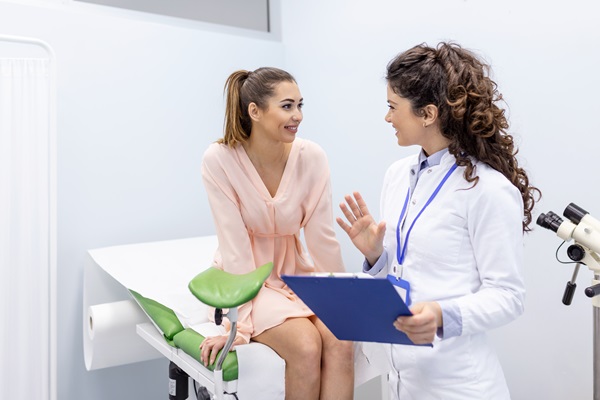
Pap smears can be lifesaving, detecting precancerous cells and early-stage cervical cancer. While medical professionals routinely recommend this screening, many put off undergoing one. It is important, therefore, to note that healthcare providers do everything they can to improve patient comfort throughout the process. The goal is to empower patients to get these crucial routine screenings that could prevent serious health problems down the line.
The importance of pap smears
Screening for cervical cancer
Pap smears are one of the many components of a pelvic examination. While a pelvic exam can gather information about the overall health of the female reproductive system, the pap smear focuses on detecting signs and symptoms of cervical cancer. We achieve this by collecting cell samples from the cervical wall and testing them in a lab to look for signs of cancer.
The earlier an OB/GYN finds cancerous cells, the higher the chance of beating cervical cancer. In the case of precancerous cells, the patient may be able to stop cancer before it fully develops. According to Cleveland Clinic, 95% of patients who were found to have precancerous cells and received treatment did not go on to develop cervical cancer.
Detecting HPV
Pap smears can help detect human papillomavirus (HPV), a common sexually transmitted infection (STI) linked to cervical cancer. Testing for HPV requires the same process as a pap smear (i.e., taking a sample of cells from the cervix). As a result, many OB/GYNs perform these screenings simultaneously.
To further reduce one's risk of contracting HPV, patients may get vaccinated against certain strains. Always using protection during sex is also crucial to preventing this STI.
What to expect during a pap smear
Getting a pap smear may seem intimidating, but it only takes between 10 and 20 minutes. First, the assisting nurse will ask the patient to disrobe and put on a gown. For privacy, the nurse will leave the room during this time. Patients may request a chaperone, such as another healthcare provider or a trusted loved one if they feel more comfortable. Once the provider returns, the patient will be asked to sit with their feet in stirrups. The provider will then insert a speculum, which resembles a duckbill, into the vagina. The duck-billed part opens so that the provider is able to scrape some cells from the cervical wall with a small spatula. Once the cells are collected, the provider will send them to the lab for testing.
The patient can expect additional steps if the pap smear is part of a pelvic exam. The healthcare provider will look at the vulva for any abnormalities, such as abnormal discharge or genital warts. They will also feel for lumps in and around the pelvic area. The final part of a pelvic exam involves the provider placing a gloved finger into the vaginal canal and gently pressing on the lower abdomen to check for issues with the ovaries or fallopian tubes. For instance, pain may indicate infection.
Pap smears and menstrual cycles
It is possible to get a pap smear while menstruating (period). That said, menstruation can make the screening procedure more uncomfortable, as the cervix may be sore and tender. Further, a lot of blood could lead to inaccurate test results.
Learn more today
Pap smears are quick, lifesaving screenings. If you are due for one, call our team at Millennium Medical Care. We will set you up with an appointment time that suits your schedule.
Request an appointment here: https://millenniummedicalcare.com or call Millennium Medical Care at (703) 372-4429 for an appointment in our Fairfax office.
Check out what others are saying about our services on Yelp: Pap Smears in Fairfax, VA.
Recent Posts
The rhinovirus causes the common cold. It is a pathogen capable of making you miserable and forcing you to stay home for days. Understanding its symptoms can tell you to go to the urgent care facility early. If you want to know the common cold symptoms, here are the details.An individual sneezes when there is…
A person with a common cold can also have a sore throat and mild body pain. These symptoms can prevent you from doing your daily tasks. However, taking pain relievers can help relieve the discomfort. If you want to know more about the pain reliever you can take for your common cold, here are the…
Wondering whether your next blood test should include a cholesterol check? Read on to learn at what age you should start considering checking your cholesterol numbers. If you are in your 20s or 30s and healthy, job stress and money are probably your primary concerns, not your cholesterol. However, having a cholesterol check and knowing…
It should not surprise you if you get the common cold this year. The illness is appropriately named; it may be the most common sickness that people encounter. Just about anyone is familiar with colds and what this condition feels like. There are many symptoms and effects, including the production of mucus. However, this should…