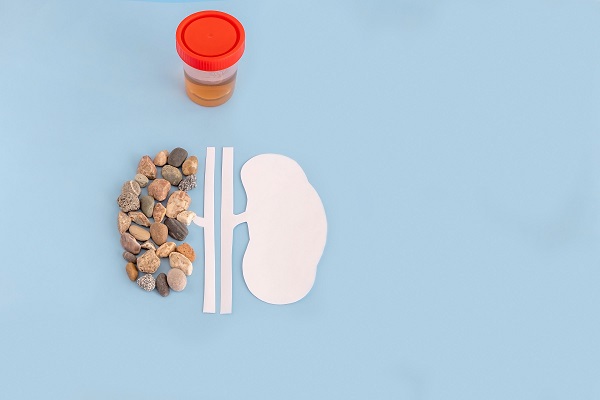
Kidney and liver tests are used to evaluate the efficiency of these organs. They are often performed using blood and urine samples. These tests can detect liver disease, jaundice, cirrhosis of the liver, kidney disease, and urinary tract infections. Please continue reading to know more about the tests and why they are important for some patients.
The need for kidney and liver testing
Hazardous or poisonous chemicals may have various effects on the body. Chemicals and other dangerous substances typically move through the different bodily systems and may damage a specific organ or organs, referred to as the "target organ(s)." Luckily, the body has systems to handle and remove many of these chemicals, mostly in the liver and kidneys. This capacity to remove the toxic elements may help to lessen their effects on the affected organ.
One of the numerous tasks of the liver and kidneys is to eliminate harmful chemicals. The kidneys, for example, control the mineral composition of the blood and maintain blood volume. The liver is responsible for converting food into energy, forming proteins, and storing carbs. Although these organs are extremely proactive in toxin removal, their other functions may be harmed as a result.
Kidney and liver damage may be acute or chronic. An acute process is defined as a brief period (hours to weeks) between toxin exposure and the development of symptoms or medical findings. A chronic process is when several years have passed between exposure to the toxin and the development of symptoms or medical findings. The kind of toxin and the level of exposure may complicate detecting an acute or chronic process or illness.
Blood panel tests for the kidney and liver
Rather than testing for the harmful chemical itself, medical screening for chronic liver and kidney disease typically includes a test that evaluates the efficiency of these organs. While this strategy has multiple explanations, the most important is that it is hard to identify many of the chemicals that cause chronic liver and kidney disease in the body.
A variety of tests are available to identify abnormalities. Blood panel tests, often known as liver and kidney function tests, are frequently performed. Six liver function tests and two kidney function tests are performed in a standard blood chemistry profile.
All liver function tests are measures of enzyme levels, excluding bilirubin. These enzymes are usually found in liver cells, and a certain amount of them circulates in the circulation at a "normal" level. The kidney function tests do not look for enzymes; instead, they examine the metabolic products of normal bodily functions.
If a liver or kidney function test is abnormally high, the next step is to determine what is causing the abnormality. It is essential to note that elevated liver or kidney tests are not meant to diagnose but indications of aberrant organ function.
Various illnesses and conditions may cause an increase in these tests. Hepatitis (liver inflammation) caused by infectious agents such as viruses and substances such as alcohol are two of the most frequent causes. Diabetes and high blood pressure are two major causes of kidney injury.
In conclusion
Do you have any queries regarding kidney and liver tests in general? Talk to your primary care provider to learn more about how complete blood panel testing may help you better understand your health.
Request an appointment here: https://millenniummedicalcare.com or call Millennium Medical Care at (703) 372-4429 for an appointment in our Fairfax office.
Check out what others are saying about our services on Yelp: Kidney and Liver Tests in Fairfax, VA.
Recent Posts
Curing a common cold is always at the top of the list of every healthcare professional. But until now, there is still no universal cure for this type of upper respiratory tract infection. Urgent care facilities focus on treating each symptom. If you want to know more about the common cold and its fever reducers,…
The common cold is an upper respiratory infection. It is a contagious illness you can get if you are not careful. Being extra careful is important. Knowing how it spreads can help you avoid contracting it. If you want to know how the common cold spreads, here are the details.The common cold virus is spread…
The rhinovirus causes the common cold. It is a pathogen capable of making you miserable and forcing you to stay home for days. Understanding its symptoms can tell you to go to the urgent care facility early. If you want to know the common cold symptoms, here are the details.An individual sneezes when there is…
A person with a common cold can also have a sore throat and mild body pain. These symptoms can prevent you from doing your daily tasks. However, taking pain relievers can help relieve the discomfort. If you want to know more about the pain reliever you can take for your common cold, here are the…